Have you ever wondered what secrets an IP address might hold? Today, we’re diving deep into the intriguing world of 111.90.150.2p4, where numbers meet connectivity. Whether you’re a techie or just someone trying to decode your router’s peculiar behavior, we’ve got you covered. So grab a cup of coffee and get ready for a tech journey sprinkled with a bit of humor and plenty of knowledge.
Have you ever searched for an IP address like 111.90.150.2p4 and wondered what it actually means? Is it real? Is it dangerous? Is someone spying on you?
You’re not alone.
In this comprehensive guide, we’ll break down:
-
Whether 111.90.150.2p4 is a valid IP address
-
What the extra “p4” means (and why it matters)
-
How IPv4 really works
-
How to check the ownership and location of an IP
-
Security risks tied to suspicious IP formats
-
How to protect yourself
Let’s decode this properly — without fluff, confusion, or unnecessary jargon.
First Things First: Is 111.90.150.2p4 a Valid IP Address?
Short answer: No — not in standard networking format.
A valid IPv4 address follows a strict structure defined by the Internet Engineering Task Force (IETF):
-
Each X is a number from 0 to 255
-
Only numbers and periods are allowed
-
No letters or extra characters
Example of a valid IPv4 address: 111.90.150.2
p4, which makes it invalid in standard IPv4 formatting.So what could “p4” mean?
Possible Meanings of “p4” in 111.90.150.2p4
When extra characters appear after an IP address, they usually indicate something else — not part of the IP itself.
Here are the most common explanations:
1️⃣ Port Number Reference (Mistyped Format)
Normally, port numbers are written using a colon:
-
Port 4 → very uncommon
-
Port 443 → secure HTTPS traffic
Then “p4” could be shorthand or internal labeling.
2️⃣ Internal System Labeling
In enterprise systems, administrators sometimes append tags for:
-
Patch version (p4 = patch 4)
-
Process ID
-
Server group ID
-
Virtual machine instance
This would not be internet-standard — just internal naming.
3️⃣ Logging or Software Artifact
Some applications auto-generate identifiers such as:
This may represent:
-
Node version
-
Peer 4
-
Proxy 4
-
Protocol version 4
Breaking Down the Real IP: 111.90.150.2
If we remove “p4,” we’re left with: 111.90.150.2
IPv4 Structure Explained

IPv4 uses a 32-bit addressing system divided into four octets:
| Octet | Example | Range |
|---|---|---|
| 1st | 111 | 0–255 |
| 2nd | 90 | 0–255 |
| 3rd | 150 | 0–255 |
| 4th | 2 | 0–255 |
Each octet represents 8 bits.
IPv4 was standardized under Internet Engineering Task Force RFC 791.
Is 111.90.150.2 Public or Private?
Private IP ranges are defined as:
-
10.0.0.0 – 10.255.255.255
-
172.16.0.0 – 172.31.255.255
-
192.168.0.0 – 192.168.255.255
111.90.150.2 does NOT fall into private space.
That means it is:
✔️ A public IP address
✔️ Routable on the internet
✔️ Potentially assigned to a hosting provider or ISP
How IP Addresses Are Assigned Globally
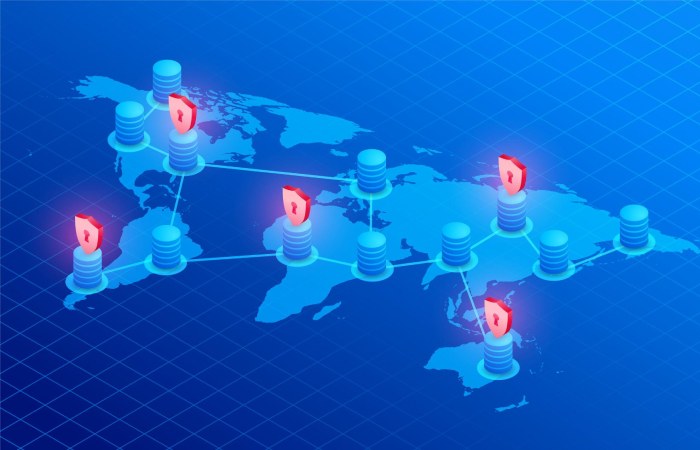
IP allocation is managed by Internet Assigned Numbers Authority (IANA).
IANA delegates blocks to Regional Internet Registries like:
-
APNIC (Asia-Pacific)
-
ARIN (North America)
-
RIPE NCC (Europe)
-
AFRINIC (Africa)
-
LACNIC (Latin America)
111.x.x.x ranges are typically allocated in Asia-Pacific regions.
What Can an IP Address Reveal?
Many people think IP addresses expose everything. That’s not true.
An IP address can potentially reveal:
-
Country
-
Region or city (approximate)
-
Internet Service Provider (ISP)
-
Hosting company (if server-based)
It cannot reveal:
-
Your exact home address
-
Your name
-
Your phone number
-
Your browsing history
Unless combined with other data breaches.
Common Uses of Public IPs Like 111.90.150.2
Public IPs are often used for:
🌐 Web Hosting
Servers hosting websites must have public IP addresses.
📧 Mail Servers
SMTP servers rely on public IPs for email routing.
🎮 Gaming Servers
Dedicated servers reduce latency and improve multiplayer performance.
🔐 VPN Exit Nodes
VPN providers route traffic through public IP addresses.
🏢 Corporate Infrastructure
Companies whitelist specific IPs for secure remote access.
Could 111.90.150.2 Be Suspicious?
Any public IP address could potentially be:
-
A web server
-
A proxy server
-
A VPN node
-
A botnet node (if compromised)
-
A cloud server instance
That does not automatically make it malicious.
To verify an IP safely:
-
Use WHOIS lookup tools
-
Check abuse databases
-
Review blacklist status
-
Use reverse DNS lookup
Never attempt to “hack back” or probe unknown IPs.
Troubleshooting If You See 111.90.150.2p4 in Logs
If this appears in:
-
Firewall logs
-
Server logs
-
Router logs
-
Security alerts
Here’s what to do:
Step 1: Validate the Format
Remove “p4” and confirm if it’s parsing incorrectly.
Step 2: Check DNS Resolution
Run: nslookup 111.90.150.2
Step 3: Check Port Activity
Use tools like: netstat or port scanners internally (never externally without authorization).
Step 4: Review Firewall Rules
Ensure no unauthorized inbound traffic.
Security Risks Associated With IP Exposure

IP addresses alone aren’t dangerous — but they can enable:
🔓 DDoS Attacks
Public IPs can be targeted with traffic floods.
🔍 Port Scanning
Attackers probe for open services.
🕵️ Geolocation Tracking
Basic regional identification.
🧱 Brute-Force Attempts
Especially on exposed SSH or RDP ports.
How to Protect Yourself
🛡️ 1. Use a VPN
Masks your public IP from websites.
🔥 2. Enable Firewalls
Block unwanted inbound traffic.
🔄 3. Use Dynamic IP (if possible)
Changes periodically.
🔐 4. Close Unused Ports
Minimize exposure.
📊 5. Monitor Logs Regularly
Spot suspicious patterns early.
IPv4 vs IPv6: Why This Matters
IPv4 addresses like 111.90.150.2 are limited.
There are only about: 4.3 billion IPv4 addresses total
Because of exhaustion, the internet is transitioning to IPv6, which looks like: 2001:0db8:85a3:0000:0000:8a2e:0370:7334
Final Verdict: What Is 111.90.150.2p4?
Here’s the clear answer:
-
❌ 111.90.150.2p4 is NOT a valid IP address format.
-
✔️ 111.90.150.2 alone is a valid public IPv4 address.
-
🔍 “p4” likely indicates a port, patch, peer, or internal label.
-
⚠️ It is not automatically malicious.
-
🛡️ Always verify unknown IPs before assuming risk.
Frequently Asked Questions
Is 111.90.150.2p4 dangerous?
Not inherently. It depends on context and activity.
Can someone hack me with my IP?
Not easily. They would need open vulnerabilities.
Should I block this IP?
Only if confirmed malicious through logs or abuse databases.
Why does it appear in my logs?
Possibly:
-
Web traffic
-
Bot crawl
-
Automated scanning
-
Misformatted logging entry