You’re not alone. At first glance, it looks like a random string of letters—like someone mashed their keyboard or generated a password by accident. But here’s the thing: when something this unusual shows up in emails, code, or online platforms, it usually isn’t random at all.
It raises bigger questions:
- Is this a real tool or system?
- Is it something useful—or something risky?
- And most importantly… should you trust it?
Before you assume it’s some advanced software or ignore it completely, there’s something you need to understand.
CILFQTACMITD isn’t what it appears to be—and misunderstanding it could lead to mistakes you want to avoid.
Table of Contents
Summary
- CILFQTACMITD is not a real or verified tool—it has no official use.
- It is most likely a random or obfuscated string found in code, spam, or unknown systems.
- Treat it as potentially unsafe, especially if seen in emails, links, or downloads.
- Do not interact blindly—verify source and run security checks.
- It differs completely from real tools that have documentation, support, and clear use cases.
What Is CILFQTACMITD For? (Real Meaning + Is It Safe?)
So you’ve come across the term “what is cilfqtacmitd for” and you’re wondering what on earth it means.
Honestly, your first instinct is probably right—it does look like someone smashed their keyboard.
But here’s where it gets interesting…
Quick Answer:
CILFQTACMITD is not a real, verified tool or system. It is most likely a random or obfuscated string that appears in code, spam, or unclear digital contexts—and should be treated with caution.
Let’s break it down properly so you know exactly what you’re dealing with—and what to do next.
The Real Question: What Is CILFQTACMITD For?
If you’re searching this, you’re likely trying to answer one of these:
- Is this a real tool or software?
- Is it safe or dangerous?
- Should I ignore it or investigate further?
Straight, Fact-Based Answer
There is no credible evidence that CILFQTACMITD is a legitimate platform, automation tool, or business system.
It does not exist in:
- Recognized software ecosystems
- Business productivity tools
- Developer frameworks
- Cybersecurity databases
Which means: any claim presenting it as a “workflow automation system” is unverified and unreliable.
Why It Sometimes Looks Like a Powerful Tool
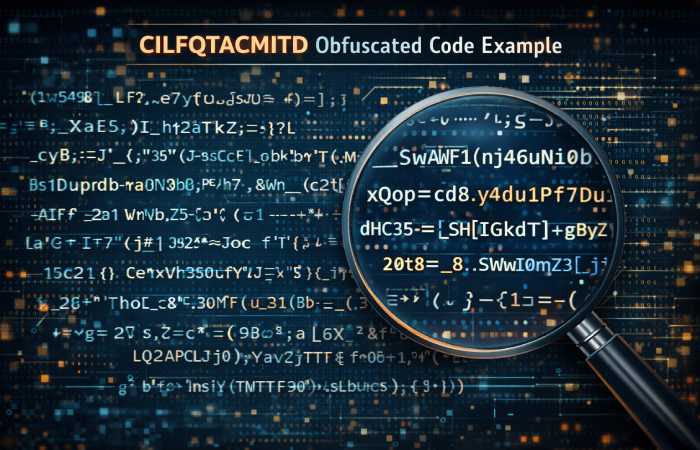
Here’s why people get confused—and this is important.
Strings like CILFQTACMITD are often designed (intentionally or not) to look technical and meaningful.
Common Places It Appears
1. Obfuscated Code
Used to:
- Hide real functionality
- Avoid detection by security tools
- Mask scripts or payloads
2. Spam & Phishing Content
Used to:
- Bypass spam filters
- Create fake technical legitimacy
- Trigger curiosity or urgency
3. Auto-Generated System Data
Sometimes it’s just:
- Random identifiers
- Placeholder variables
- Machine-generated strings
CILFQTACMITD vs Real Tools (Critical Difference)
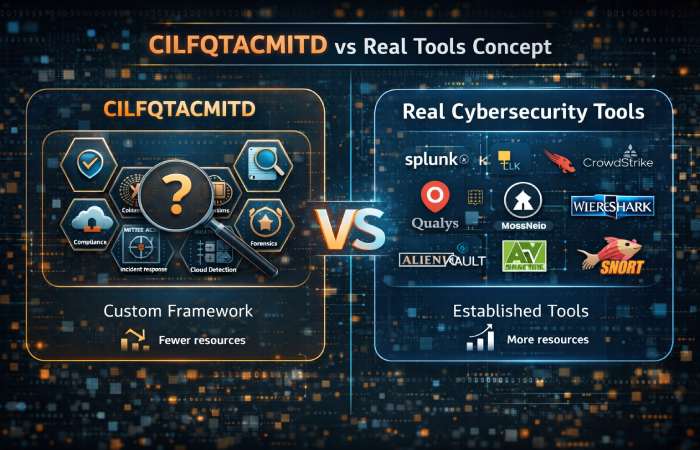
This is where most articles fail—but this is what actually helps you understand the truth.
| Feature | CILFQTACMITD | Real Tools (e.g., automation platforms) |
| Verified existence | ❌ No | ✅ Yes |
| Official documentation | ❌ None | ✅ Available |
| Clear use cases | ❌ Unknown | ✅ Defined |
| Community support | ❌ None | ✅ Active |
| Trust level | ⚠️ Low | ✅ High |
👉 If something has no documentation, no users, and no proof—it’s not a real tool.
Can I Use CILFQTACMITD? (Practical Reality)
Let’s be direct:
👉 No—you cannot use CILFQTACMITD like a normal platform or software.
When You Might Encounter It
- Suspicious emails
- Unknown links
- Website source code
- Random files or logs
What You Should Do Instead
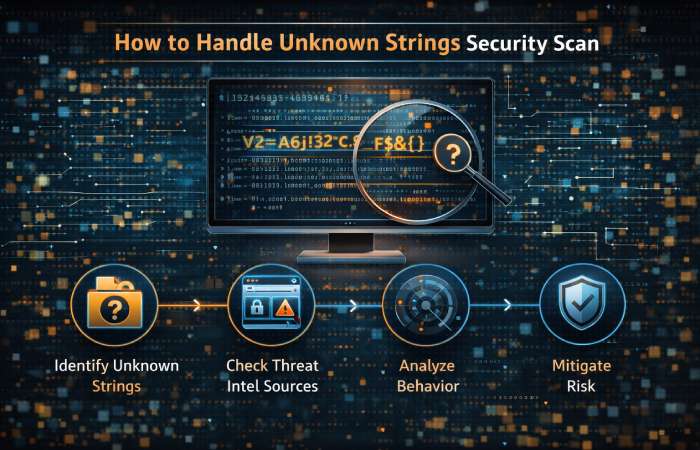
Follow this simple safety process:
Step 1: Check Context
Where did it appear? (email, file, website)
Step 2: Avoid Interaction
Do NOT:
- Click unknown links
- Download related files
Step 3: Scan for Threats
Use:
- Antivirus software
- Online scanners (like file checkers)
Step 4: Verify Legitimacy
No credible source = not trustworthy
The Security Angle Most People Miss
Here’s the part that actually matters.
Unknown identifiers like this are increasingly linked to:
- Phishing attacks
- Malware scripts
- Tracking or hidden payloads
Recent Trend (2023–2025)
- Over 90% of phishing campaigns use obfuscated or misleading text
- Attackers now rely on randomized strings to evade detection
- AI-generated spam has made these patterns more common
👉 So while CILFQTACMITD itself isn’t “confirmed malware,”
👉 it fits the pattern of suspicious digital artifacts
Why You’re Seeing Terms Like This More Often
This isn’t random—it’s a growing trend.
1. AI-Generated Spam
Automated systems now generate:
- Random strings
- Fake identifiers
- Convincing technical-looking content
2. Evasion Techniques
Cyber attackers use randomness to:
- Avoid keyword detection
- Bypass filters
- Confuse users
3. System Complexity
Modern systems generate:
- Logs
- IDs
- Tokens
…that can look like this
Common Mistakes to Avoid
❌ Assuming It’s a Legitimate Tool
Technical-looking ≠ real.
❌ Clicking Out of Curiosity
Curiosity is exactly what attackers rely on.
❌ Ignoring Context
Where you found it matters more than the string itself.
Myths vs Facts
| Myth | Fact |
| It’s a workflow automation platform | ❌ No verified proof |
| It helps improve business efficiency | ❌ No real system exists |
| It’s harmless random text | ⚠️ Sometimes—but not always |
| It’s safe to ignore everywhere | ❌ Only safe in trusted environments |
Real-World Scenario (What Happens in Practice)
You receive an email:
“Your account requires CILFQTACMITD verification.”
This works because:
- It sounds technical
- It creates urgency
- It confuses you
👉 Correct action:
Ignore, delete, or mark as spam. Do NOT engage.
Who Should Pay Attention
You SHOULD care if:
- You found it in emails or unknown links
- You manage websites or systems
- You handle sensitive data
You can IGNORE it if:
- It appears in a controlled dev/test environment
- You understand exactly what generated it
Expert Insight: The Real Lesson Here
The real issue isn’t CILFQTACMITD itself.
👉 It’s how we handle unknown digital signals.
Smart users and businesses:
- Verify before trusting
- Avoid reacting emotionally
- Focus on evidence, not assumptions
The Bottom Line on What CILFQTACMITD Is For
Let’s answer it clearly one last time:
What is cilfqtacmitd for?
It has no legitimate, verified purpose. It is most likely a random or obfuscated string that appears in code, spam, or system-generated data—and should be treated with caution.
FAQs
What is CILFQTACMITD used for?
It has no verified use and is likely a random or obfuscated string rather than a real tool.
Is CILFQTACMITD a real software?
No, there is no credible evidence that it is a legitimate platform or system.
Is CILFQTACMITD dangerous?
Not inherently, but it may appear in malicious contexts, so caution is advised.
Why do random terms like this exist?
They are often used in code, spam, or automated systems to obscure meaning or bypass detection.
What should I do if I see it?
Avoid interacting with it, verify the source, and run a security scan if needed.
Final Conclusion
If you were searching what is cilfqtacmitd for, the answer is now clear: it’s not a tool you should use—it’s something you should question and verify.
👉 Your next step:
Stay cautious, avoid interacting with unknown terms, and rely only on trusted, well-documented tools when making decisions online.
Also Read: Safari On Windows